Why Workforce Strategy Is Becoming Critical for Project Delivery
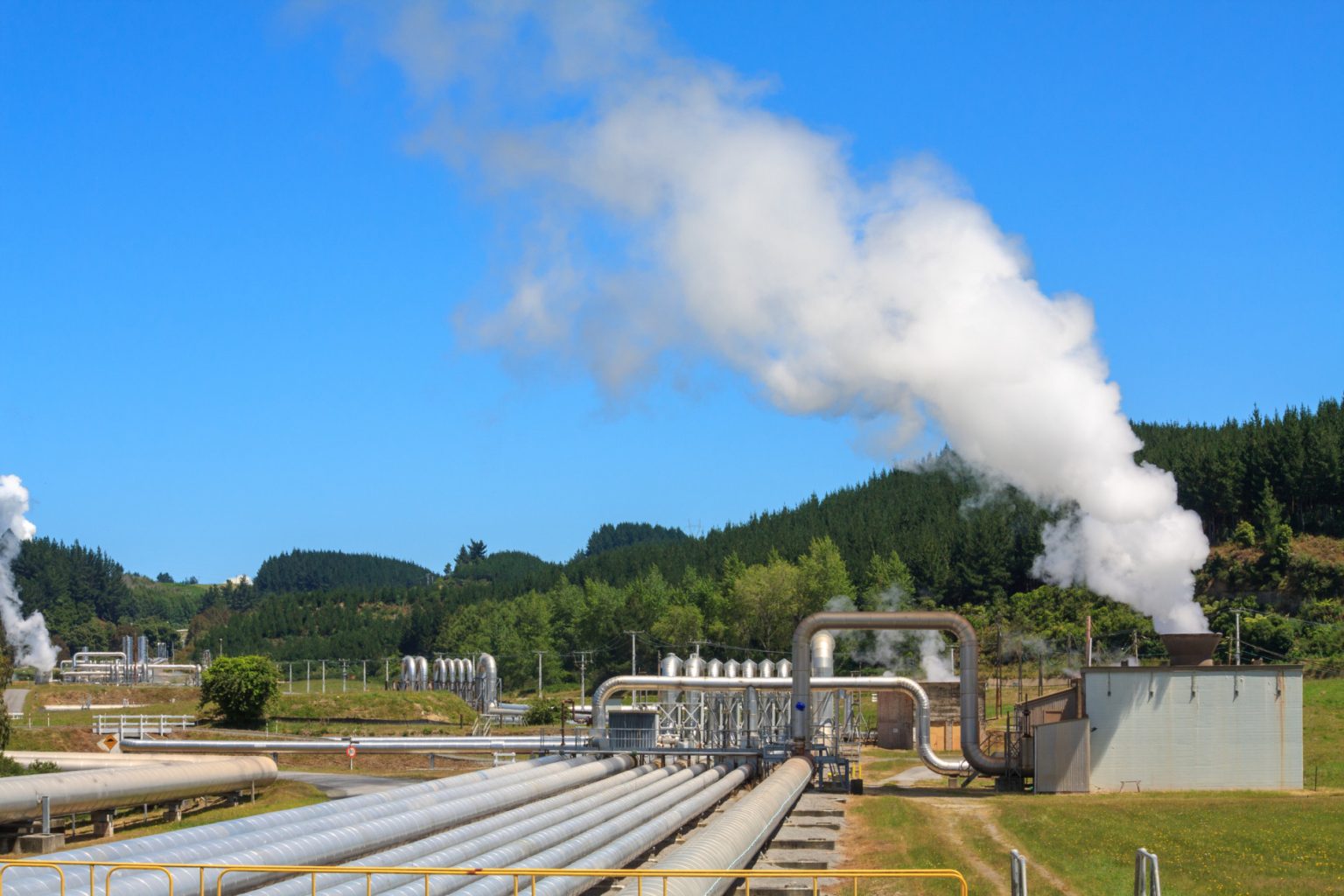
Something interesting is happening across New Zealand’s engineering and industrial sectors right now.
On one hand, there’s genuine momentum:
- Geothermal projects are expanding through the Central North Island
- Data centre investment is accelerating around Auckland
- Infrastructure and maintenance work remains active across the country
- Manufacturing, marine, and industrial operations are still moving
But at the same time, many projects are becoming harder to deliver smoothly.
Not because there’s no work.
And not always because of funding.
More often, the pressure is coming from labour availability, mobilization timing, compliance demands, and the growing competition for skilled people.
That shift is changing how projects are planned, and how businesses need to think about workforce strategy heading into the second half of 2026.
Quick Summary
- Engineering and industrial activity remains strong across NZ in 2026
- Geothermal and data centre projects are increasing demand for skilled labour
- Workforce shortages are now affecting delivery timelines and project costs
- Delayed hiring decisions are creating operational pressure
- Companies planning workforce requirements early are staying ahead
New Zealand’s Infrastructure Push Is Creating a Different Kind of Pressure
Q: Is the industry actually slowing down?
Not exactly.
What we’re seeing is a shift from planning into delivery.
Projects that spent the last few years in feasibility, approvals, or early-stage development are now moving into active construction, maintenance, and operational phases.
That includes:
- Geothermal energy expansion around Taupō and Kawerau
- Large-scale infrastructure and industrial maintenance work
- Manufacturing upgrades and plant reliability programmes
- Marine and heavy engineering projects
- Data centre infrastructure supporting AI and cloud growth
The issue is not a lack of projects.
The issue is that many sectors are now competing for the same skilled workforce at the same time.
Geothermal Growth Is No Longer “Future Talk”
The geothermal sector is one of the clearest examples.
Projects like:
- Te Mihi Stage 2
- Ngā Tamariki expansion
- Ongoing exploration work across the Taupō region
…are creating real demand for:
- Mechanical Fitters
- Industrial Electricians
- Welders & Fabricators
- Pipefitters
- Shutdown and maintenance crews
And unlike short-term construction spikes, geothermal projects create ongoing operational and maintenance requirements long after commissioning.
For employers, this means workforce planning can’t be reactive anymore.
By the time labour shortages become visible on site, the strongest contractors are often already committed elsewhere.
Data Centres Are Quietly Becoming One of NZ’s Biggest Engineering Drivers
While geothermal is highly visible, data centres are becoming one of the most significant long-term engineering trends in New Zealand.
Major global operators are continuing to invest locally, largely because of New Zealand’s renewable energy profile and stable infrastructure environment.
But behind every new data centre is a massive workforce requirement.
These projects need:
- High-spec electrical infrastructure
- HVAC and cooling specialists
- Mechanical engineers and technicians
- Automation and controls expertise
- Ongoing maintenance support
And because these projects operate to strict uptime and compliance standards, employers are competing hard for experienced, site-ready workers.
This demand is now overlapping with existing shortages across manufacturing, infrastructure, and heavy industry.
The Labour Market Is Tightening in Specific Areas
One thing becoming very clear in 2026:
This is not a general labour shortage. It’s a skilled labour shortage.
The pressure is strongest around:
- Industrial electricians
- Mechanical & Maintenance Fitters
- HVAC technicians
- Welders and Fabricators
- Automation specialists
- Experienced shutdown contractors
Candidates with:
- current certifications,
- proven site experience,
- and strong safety awareness
…are being secured quickly.
This is especially true for workers who can mobilize immediately into high-compliance environments.
Why Delayed Hiring Decisions Are Becoming Expensive
Q: What happens when companies wait too long to secure labour?
Usually:
- Overtime increases
- Supervisors absorb operational gaps
- Existing teams become stretched
- Productivity drops
- Project timelines tighten
The challenge is that workforce pressure compounds quickly.
A delayed hire doesn’t just leave one role open, it often affects scheduling, compliance timelines, supervision, and project momentum.
That’s why many businesses are shifting from reactive hiring toward workforce pipeline planning.
Why “Work-Ready” Now Matters More Than CV Length
One noticeable shift this year is how employers assess candidates.
It’s no longer just:
“Who has the most experience?”
It’s increasingly:
“Who can step onto site tomorrow and contribute safely with minimal onboarding?”
That means:
- Current certifications matter
- Site-readiness matters
- Reliability matters
- Compliance awareness matters
Candidates with valid:
- Working at Heights
- Confined Spaces
- First Aid
- EWP
- Trade-specific qualifications
…are moving faster through recruitment processes than those still trying to organize paperwork after the fact.
The Companies Managing This Best Are Planning Earlier
The businesses navigating 2026 most effectively are generally doing a few things differently:
1. Building Workforce Pipelines Earlier
Not waiting until labour becomes urgent.
2. Holding Onto Good Contractors
Reliable workers are being retained and re-engaged earlier instead of constantly replaced.
3. Using Flexible Workforce Models
Balancing permanent staff with project-based contractors to manage peaks more effectively.
4. Partnering With Specialist Recruiters
Working with recruitment partners who understand engineering and trades environments, not just job titles.
None of this is complicated.
But in the current market, timing is becoming critical.
How Techtrade Supports Engineering & Trades Projects
Techtrade Recruitment works exclusively across:
- Engineering & Mechanical
- Civil & Infrastructure
- Manufacturing
- Marine
- Mining & Resources
- Oil & Gas
- Energy and geothermal projects
As New Zealand’s leading engineering and trades recruitment agency, we work closely with businesses facing real operational pressure, not theoretical hiring problems.
That includes:
- Supplying pre-vetted, site-ready contractors
- Supporting shutdown and maintenance projects
- Assisting with regional workforce shortages
- Providing flexible labour solutions during peak demand
Our focus is simple:
Helping businesses secure skilled people before workforce gaps become project delays.
Final Thought: The Opportunity Is Real, So Is the Competition
New Zealand’s engineering and industrial sectors are entering a significant period of activity.
- The projects are real.
- The investment is happening.
- The demand is growing.
But so is the competition for skilled labour.
The companies staying ahead in 2026 are not necessarily the ones spending the most, they’re the ones planning earlier, building workforce relationships sooner, and adapting before labour pressure peaks.
Because right now, workforce strategy is no longer just recruitment.
It’s project delivery.

Ewen Morgan
An experienced sales and marine engineering professional known for his practical approach, industry knowledge and strong relationship-building skills.
Temporary, contract and permanent recruitment
Engineering | Trade | Manufacturing