Across New Zealand, major projects are moving from planning into delivery.
From water infrastructure and transport upgrades to renewable energy developments, automation projects, and industrial investment, there is significant activity happening across the engineering and trades sector.
While economic conditions continue to be discussed across the market, the reality on many sites is different. Projects are still progressing, assets still need maintaining, and organizations are continuing to invest in critical infrastructure.
The challenge for many employers is no longer identifying future work.
It’s ensuring they have the right workforce available when projects require it.
Quick Summary
- Major infrastructure projects are progressing across New Zealand
- Water, transport, rail, energy, and automation sectors continue to invest
- Demand remains strong for skilled engineering and trades professionals
- Competition for experienced labour is increasing across multiple sectors
- Early workforce planning reduces delivery risk and project delays
Water Infrastructure Is Entering a New Era
One of the most significant areas of investment currently underway is water infrastructure.
Watercare alone has committed to a long-term capital programme worth billions of dollars over the next decade, supporting major projects across Auckland’s water and wastewater networks. Programmes such as the Northern Interceptor and wider hydraulic upgrades are creating ongoing demand for engineering, maintenance, project delivery, and operational expertise.
For employers operating in this space, the challenge is not just project delivery.
It’s securing the skilled people required to maintain momentum over multiple years.
This includes:
- Civil construction teams
- Mechanical maintenance personnel
- Project Engineers
- Electrical trades
- Plant operators and maintenance specialists
Unlike short-term construction projects, water infrastructure creates sustained workforce demand long after the initial project phase.
Transport Projects Continue To Drive Demand
New Zealand’s transport infrastructure pipeline remains one of the largest drivers of engineering and trades activity.
Projects such as the Ōtaki to North of Levin (Ō2NL) Highway, Auckland’s Eastern Busway, rail renewals, and ongoing transport network upgrades continue to create opportunities across multiple disciplines.
As projects move from design into construction and delivery phases, demand typically increases for:
- Civil trades
- Plant operators
- Construction supervisors
- Structural specialists
- Mechanical and electrical support teams
For project leaders, the focus is increasingly shifting from project approval to workforce availability.
The strongest project plans still require skilled people to deliver them.
Renewable Energy Is Reshaping Workforce Demand
The transition toward renewable energy continues to create opportunities across engineering and trades.
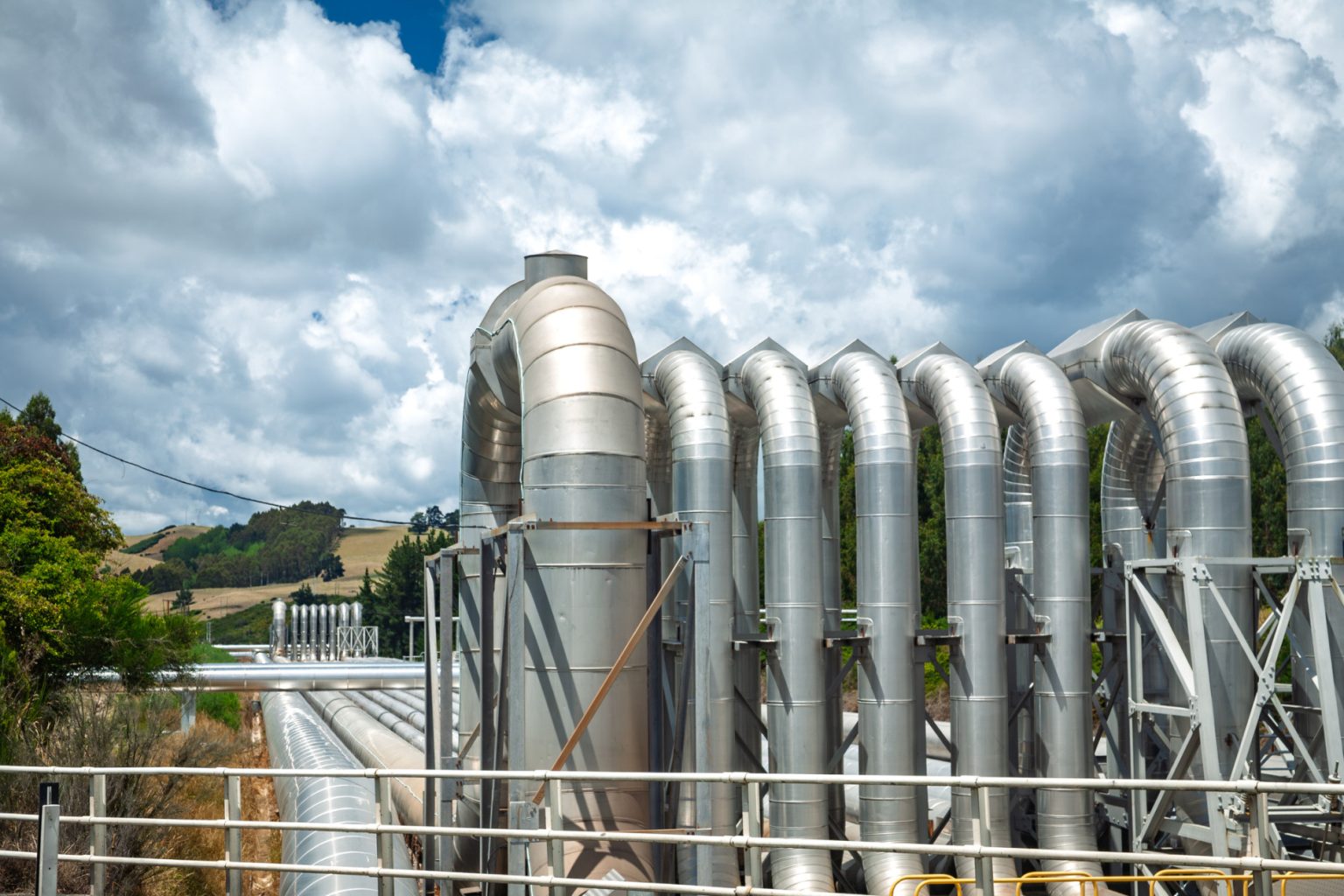
Geothermal developments, wind energy projects, grid upgrades, and wider network investment are all contributing to long-term workforce requirements.
Organizations including Mercury, Contact Energy, Meridian, Vector, and Transpower continue to invest in generation assets, transmission infrastructure, and renewable energy projects across New Zealand.
This activity is driving demand for:
- Industrial Electricians
- Electrical Engineers
- Mechanical Fitters
- Instrumentation Technicians
- Project Managers
- High-voltage specialists
These projects often operate under strict compliance and safety requirements, making experienced and site-ready personnel particularly valuable.
Data Centres Are Creating New Opportunities Across Engineering & Trades
While data centres are often associated with technology companies, they are becoming a significant driver of engineering and trades demand across New Zealand.
As cloud computing, AI technologies, and digital infrastructure continue to grow, investment in data centre development is increasing throughout Auckland and other key regions.
Behind every data centre project is a complex network of engineering systems requiring specialist skills and ongoing maintenance.
This is creating demand for:
- Industrial Electricians
- HVAC and cooling specialists
- Mechanical Fitters
- Automation and Controls Technicians
- Electrical Engineers
- Backup power and generator specialists
These facilities operate to strict reliability and compliance standards, making experienced engineering and trades professionals highly valuable.
For employers, data centres represent another sector competing for many of the same skilled workers already in demand across renewable energy, manufacturing, infrastructure, and industrial projects.
Automation Is Quietly Becoming One of the Fastest-Growing Sectors
While infrastructure projects receive most of the attention, automation and advanced manufacturing are becoming increasingly important parts of New Zealand’s engineering landscape.
Companies such as Scott Technology, MHM Automation, Robotics Plus, and Fisher & Paykel Appliances continue to invest in automation, robotics, manufacturing technology, and global growth initiatives.
As labour shortages continue across multiple industries, many businesses are looking at automation to improve productivity and operational efficiency.
This is creating demand for:
- Automation Engineers
- Machine Builders
- Mechanical Design Engineers
- Industrial Electricians
- Fabricators and Assembly Specialists
- Service and Maintenance Technicians
For engineering professionals, this sector offers some of the most technically diverse opportunities currently available.
The Workforce Challenge Is Becoming More Complex
One trend we are seeing across multiple sectors is competition for the same talent.
A Mechanical Fitter who may have traditionally worked in manufacturing could now find opportunities in geothermal, infrastructure, marine maintenance, food processing, or automation projects.
Similarly, Industrial Electricians are increasingly being sought after across renewable energy projects, data centres, manufacturing facilities, water and wastewater infrastructure, grid upgrades, and industrial maintenance environments.
This means workforce shortages are becoming less about volume and more about specialist capability.
The organizations that secure talent early are often the ones that maintain delivery schedules and avoid unnecessary project pressure later.
Many employers are also exploring pre-qualified talent pipelines before vacancies become urgent. Businesses looking to understand what skilled engineering and trades professionals are currently available can browse Techtrade’s Available Candidates.
What Smart Employers Are Doing Differently
Across the clients we work with, the most successful workforce strategies often have a few common themes:
Planning Earlier
Workforce conversations are happening before projects reach critical delivery stages.
Building Talent Pipelines
Rather than waiting for vacancies to impact delivery, many employers are reviewing suitable trade profiles early to understand what skills are available in the market and where future gaps may exist.
Maintaining Contractor Relationships
High-performing contractors are being retained and re-engaged wherever possible.
Partnering With Industry Specialists
Employers are increasingly working with recruitment partners who understand engineering, industrial, and trades environments.
These approaches help reduce risk while improving workforce stability and project continuity.
How Techtrade Supports New Zealand’s Engineering & Trades Sector
Techtrade Recruitment works across:
- Civil & Infrastructure
- Engineering & Mechanical
- Manufacturing
- Marine
- Mining & Resources
- Energy & Renewables
- Oil & Gas
- Automation & Industrial Technology
Our team understands the unique workforce requirements across these sectors and works closely with clients to provide industry-specific recruitment support.
As New Zealand’s leading engineering and trades recruitment agency, we work closely with employers to help secure skilled, compliant, and project-ready personnel across both temporary and permanent workforce requirements.
Whether supporting major infrastructure projects, maintenance shutdowns, manufacturing operations, or renewable energy developments, our focus remains the same:
Providing the right people at the right time.
For businesses planning upcoming projects, shutdowns, maintenance programmes, or workforce expansions, submitting requirements early gives the best opportunity to secure skilled personnel before demand peaks.
Final Thought: The Projects Are Real — The Planning Matters
The opportunity across New Zealand’s engineering and trades sector remains significant.
Water infrastructure, transport projects, renewable energy, automation, and industrial investment are all helping shape the next phase of growth.
The organizations that will benefit most from these opportunities are not necessarily the ones with the largest projects.
They are the ones planning ahead, building workforce capability early, and ensuring they have access to the skilled people required when projects move into delivery.
Because when projects start moving, workforce readiness becomes a competitive advantage.

Ewen Morgan
An experienced sales and marine engineering professional known for his practical approach, industry knowledge and strong relationship-building skills.
Temporary, contract and permanent recruitment
Engineering | Trade | Manufacturing