Temp vs Permanent Engineering Staff: What Works Best for Major Projects?
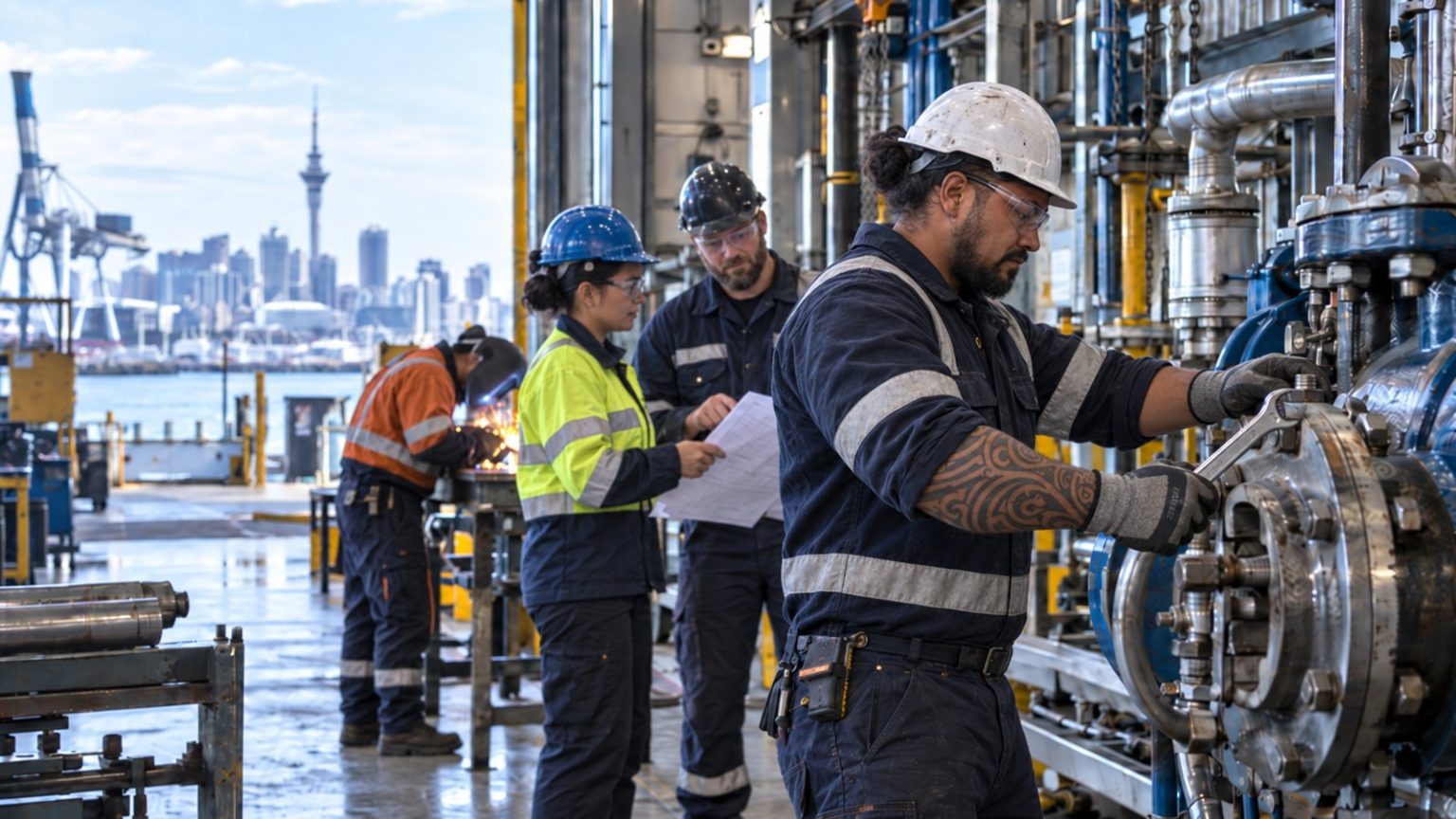
When a major project starts, one of the first workforce decisions is not just who can do the work, but how should we staff it?
For engineering, manufacturing and industrial businesses across Auckland and New Zealand, the answer is often a mix of temporary, contract and permanent recruitment.
The right model depends on the project, the skills required and how long you will need them.
When temporary and contract staff make sense
Temporary and contract recruitment works well when the workload is tied to a defined project or short-term peak.
Typical examples include:
- Shutdowns and planned maintenance
- Machinery installation
- Plant upgrades
- Commissioning
- Production peaks
- Project mobilisation
- Short-term specialist requirements
If an installation requires additional Mechanical Fitters, Machine Builders or Industrial Electricians for three months, hiring all of them permanently may not make commercial sense.
Contract staffing gives you the flexibility to increase headcount when the workload rises, then reduce it once that project phase is complete.
It can also take pressure off permanent employees who may otherwise be covering overtime or being pulled away from regular maintenance.
When permanent recruitment is the better option
Permanent recruitment is usually the better fit when the role supports the business beyond a single project.
This is often the case for senior technical, leadership and planning positions such as:
- Engineering Managers
- Maintenance Managers
- Project Managers
- Senior Project Engineers
- Automation and Controls Engineers
- Reliability Engineers
- Maintenance Planners
- Production or Operations Managers
- Technical Leads
These roles often carry responsibility for teams, budgets, maintenance strategy, continuous improvement, contractor management and long-term technical capability.
The main advantage of permanent recruitment is continuity. These employees build knowledge of your plant, systems, people and operating environment over time, helping retain important capability within the business.
A useful question is:
Would we still need this capability if the current project finished tomorrow?
If the answer is yes, permanent recruitment is likely to be the stronger long-term option.
Why a blended workforce often works best
Major engineering projects rarely need the same workforce from start to finish.
A permanent team can provide leadership, technical oversight and continuity, while temporary and contract staff are added when workload increases during installation, shutdowns or commissioning.
During peak delivery, this may include:
- Mechanical Fitters
- Machine Builders
- Industrial Electricians
- Instrumentation Technicians
- Fitter Welders
- Trade Assistants
- Commissioning personnel
As the project moves towards completion, the additional workforce can reduce while the permanent team remains.
This gives businesses the flexibility to scale around project demand without losing the knowledge and capability needed for ongoing operations.
Do not make the decision on hourly rate alone
A contractor may have a higher hourly rate than a permanent employee, but the real cost comparison is broader.
Consider:
- How long the skill is actually required
- Overtime being carried by existing staff
- Project delays or lost production
- Whether the specialist capability is only needed for one phase
- Recruitment and onboarding time
- The cost of carrying permanent headcount once the project ends
For short-term or project-specific work, temporary and contract staff can provide better overall value.
For capability the business needs year after year, permanent recruitment is usually the stronger investment.
Four questions to ask before deciding
Before your next project begins, ask:
How long will we need the role?
Short-term usually points towards temporary or contract recruitment. Ongoing demand may justify permanent hiring.
Is the skill needed throughout the project?
Some trades are required for months, while others may only be needed during installation or commissioning.
Is it core capability or specialist project support?
Skills essential to everyday operations generally belong in the permanent team.
What knowledge needs to stay afterwards?
If someone will hold important operational or technical knowledge, consider how it will remain in the business.
Plan the workforce early
The best time to think about staffing is before project deadlines start creating pressure.
Know:
- Which skills you need
- How many people are required
- When each trade is needed
- How long they will be required
- Shift and site requirements
- Essential licences and tickets
- Which positions should be temporary, contract or permanent
Early planning gives you more recruitment options and reduces last-minute hiring.
How Techtrade can help
Techtrade is one of New Zealand’s established specialist engineering and trades recruitment agencies, supporting businesses with temporary, contract and permanent staffing across Auckland and wider New Zealand.
Our network includes more than 7,500 active candidates across mechanical, electrical, automation, manufacturing, industrial and skilled trades.
We recruit roles including Mechanical Fitters, Maintenance Fitters, Machine Builders, Industrial Electricians, Instrumentation Technicians, Automation Engineers, Fitter Welders, Trade Assistants and commissioning personnel.
Our first step is understanding the work.
We look at your project stages, timeframe, technical requirements and workforce needs, then help identify where contract flexibility makes sense and where permanent capability should be built.
Whether you need additional trades for an installation, a shutdown team, specialist commissioning support or a permanent technical hire, Techtrade can help you build a workforce around the actual requirements of the project.
Planning a project, shutdown or plant upgrade? Talk to Techtrade about the right temporary, contract and permanent staffing mix for your business.

Ewen Morgan
An experienced sales and marine engineering professional known for his practical approach, industry knowledge and strong relationship-building skills.
Temporary, contract and permanent recruitment
Engineering | Trade | Manufacturing